
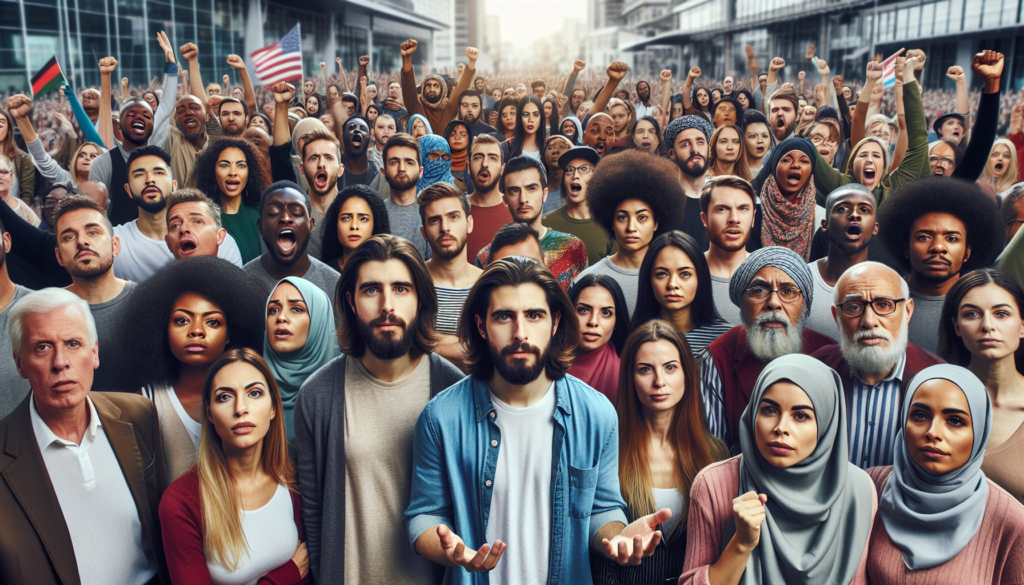
The Rising Tide: Cancel ChatGPT Movement Grows After OpenAI’s Latest Move
In recent weeks, the tech world has been abuzz with a significant development: the cancel ChatGPT movement has gained substantial traction following OpenAI’s latest move. This article aims to delve into the reasons behind this movement, its implications for the future of artificial intelligence, and public sentiment surrounding it.
Understanding the Cancel ChatGPT Movement
The cancel ChatGPT movement is a grassroots initiative that has emerged in response to various concerns about the ethical implications and societal impacts of AI technologies, particularly those developed by OpenAI. As AI systems like ChatGPT become more integrated into daily life, the questions surrounding their usage, transparency, and accountability have become increasingly pressing.
What Sparked the Movement?
The recent decision by OpenAI to implement changes in their model’s capabilities has stirred a significant reaction from the public. Many users expressed concerns about the potential misuse of AI, privacy violations, and the overall impact on employment within various sectors.
Key Concerns Raised by Advocates
- Ethical Considerations: Many advocates argue that AI models like ChatGPT can perpetuate biases and misinformation, raising ethical questions about their deployment.
- Privacy Issues: With the increased use of AI in personal and professional contexts, concerns about data privacy have escalated.
- Job Displacement: As AI continues to advance, fears about automation taking over jobs have prompted calls for a reevaluation of AI technologies.
OpenAI’s Recent Developments
OpenAI’s latest updates to ChatGPT have played a pivotal role in reigniting the cancel movement. Understanding these changes is crucial to grasping the public response.
Overview of Recent Changes
OpenAI has made several modifications to ChatGPT’s functionality, including enhanced capabilities in language processing and expanded access to various applications. However, these changes have not come without controversy.
The Backlash from the Community
In tandem with these changes, many users have voiced their objections online, citing that the improvements might lead to unintended consequences. Social media platforms have seen a surge of conversations around the implications of such advancements.
Public Sentiment on AI and Ethics
The public’s reaction to AI technologies like ChatGPT reflects broader societal concerns about technology’s role in our lives.
Emerging Perspectives
Various factions within the tech community have begun to advocate for more responsible AI development. These advocates are calling for:
- Transparency: Clearer guidelines and practices for how AI systems are trained and how they operate.
- Accountability: Mechanisms to hold developers and companies responsible for the outcomes of AI implementations.
- Public Engagement: Encouraging broader public discourse on AI ethics and policy.
The Role of Social Media in the Cancel Movement
Social media has played a crucial role in amplifying the cancel ChatGPT movement and shaping public opinion.
Platforms Fueling the Conversation
Twitter, Reddit, and other social media platforms have become hotbeds for debate and discussion regarding AI ethics and the implications of OpenAI’s latest changes. Users are sharing their experiences, concerns, and suggestions, leading to a more informed public discourse.
Hashtags and Trends
Movements often gain traction through the use of specific hashtags and viral posts. In the case of cancel ChatGPT, various hashtags have emerged, rallying users around the cause and sparking further debate.
Future of AI and Public Policy
The cancel ChatGPT movement raises important questions about the future of AI development and public policy.
Implications for Regulation
As the call for accountability grows louder, discussions about potential regulations on AI technologies are becoming more common. Policymakers are grappling with how to balance innovation with ethical considerations.
Potential Outcomes of the Movement
Depending on how the cancel ChatGPT movement evolves, several outcomes are possible:
- Increased Regulation: Governments may impose stricter regulations on AI technologies to protect public interests.
- Ethical Guidelines: Companies might adopt more robust ethical guidelines for AI development.
- Public Awareness: The movement could lead to greater public awareness and education regarding AI technologies.
Conclusion: Navigating the AI Landscape
The cancel ChatGPT movement serves as a reminder that as technology evolves, so too must our understanding and management of its implications. As public discourse continues to grow, it is vital for developers, policymakers, and users to engage in constructive conversations about the future of AI.
For those interested in following the developments of this movement, staying informed through reputable sources and participating in discussions can contribute to a more balanced understanding of AI technologies.
Frequently Asked Questions (FAQs)
- What is the cancel ChatGPT movement?
The cancel ChatGPT movement is a grassroots initiative advocating for ethical considerations in the deployment of AI technologies, particularly ChatGPT. - Why has the cancel ChatGPT movement gained momentum recently?
The movement has gained traction due to OpenAI’s recent changes to ChatGPT, which have raised concerns about ethics, privacy, and job displacement. - How is social media influencing public opinion on AI?
Social media platforms have facilitated discussions and spread awareness about the implications of AI, allowing users to voice their concerns and opinions. - What are the potential outcomes of the cancel ChatGPT movement?
The movement could lead to increased regulation, the adoption of ethical guidelines by companies, and greater public awareness regarding AI technologies. - How can I stay informed about AI developments?
Following reputable news sources, engaging in public discussions, and joining online forums can help you stay updated on AI-related topics.