
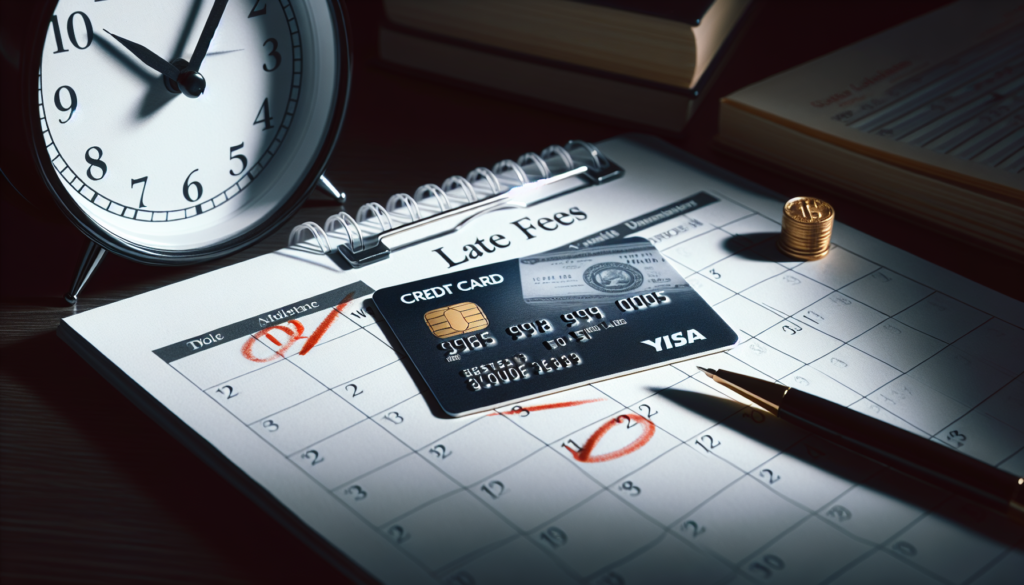
Credit Card Late Fees: How to Avoid Them
Credit cards offer convenience and flexibility, but they can also lead to unexpected expenses, particularly in the form of late fees. Understanding how to avoid these fees is crucial for maintaining a healthy credit profile and managing your finances effectively. In this guide, we’ll explore strategies to prevent credit card late fees, the impact they can have on your financial health, and tips for effective credit card management.
Understanding Credit Card Late Fees
What Are Credit Card Late Fees?
Credit card late fees are charges that issuers impose when you fail to make your minimum payment by the due date. These fees can vary by lender, but they typically range from $25 to $39. Besides the immediate financial impact, late payments can also negatively affect your credit score.
Why Do Late Fees Matter?
Late fees can accumulate quickly, leading to significant costs over time. More importantly, consistently missing payments can damage your credit score, making it harder to secure loans or credit in the future. Understanding the implications of late fees is vital for anyone using credit cards.
Common Causes of Late Payments
1. Lack of Awareness
Many cardholders simply forget their due dates. This can happen if you’re not keeping track of your bills or if you have multiple credit accounts. Setting reminders can help mitigate this issue.
2. Financial Struggles
Sometimes, unexpected expenses can lead to cash flow issues, making it difficult to meet payment deadlines. It’s essential to create a budget that accommodates your credit card payments.
3. Technical Issues
Online banking and payment systems can sometimes fail. Relying solely on automatic payments without checking can lead to missed payments, particularly if your bank experiences issues.
Strategies to Avoid Credit Card Late Fees
1. Set Up Payment Reminders
One of the simplest ways to avoid late fees is to set up payment reminders. Most credit card companies offer alerts via email or text message to remind you of upcoming due dates. Utilize these tools to stay informed.
2. Automate Your Payments
Consider setting up automatic payments for at least the minimum payment due each month. This way, you ensure that you never miss a payment, provided that you have sufficient funds in your bank account. Just be sure to monitor your bank balance to avoid overdraft fees.
3. Choose Your Due Date
Many credit card issuers allow you to choose your due date. Select a date that aligns with your pay schedule. For example, if you get paid bi-weekly, choose a due date shortly after your payday to ensure you have the funds available.
4. Regularly Review Your Statements
Make it a habit to review your credit card statements regularly. This practice not only helps you keep track of due dates but also allows you to monitor spending and identify any unauthorized charges.
5. Establish a Budget
Creating a budget can help you manage your finances effectively and ensure you have the necessary funds to cover your credit card payments. Allocate a specific amount each month for credit card payments to avoid falling behind.
6. Communicate with Your Lender
If you find yourself in a difficult financial situation, communicate with your credit card issuer. They may offer assistance, such as deferred payments or lower interest rates, to help you avoid late fees.
The Consequences of Late Payments
Impact on Credit Score
Late payments can have a significant impact on your credit score. Payment history accounts for 35% of your FICO score, so a single late payment can drop your score. A lower score can affect your ability to obtain loans and credit in the future.
Increased Interest Rates
Some credit card issuers may raise your interest rate if you miss a payment. This can lead to higher costs on your existing balance and any new purchases made after the rate increase.
Potential Loss of Promotional Offers
If you’re on a promotional interest rate (like 0% APR), missing a payment can result in the loss of that offer, causing your interest rates to revert to the standard rate.
What to Do If You Miss a Payment
1. Pay the Minimum Amount Immediately
If you miss a payment, try to make the minimum payment as soon as possible to reduce the late fee and mitigate damage to your credit score.
2. Contact Your Credit Card Issuer
Reach out to your credit card issuer. Sometimes, they may be willing to waive the late fee, especially if it’s your first missed payment. Be polite and explain your situation.
3. Monitor Your Credit Report
After a missed payment, keep an eye on your credit report. You can check for inaccuracies and dispute any errors that may arise as a result of the late payment.
Conclusion
Avoiding credit card late fees is crucial for maintaining financial health and a good credit score. By understanding the causes of late payments and implementing effective strategies, you can significantly reduce the risk of incurring these fees. Remember to communicate with your lender and stay proactive in managing your credit card use.
For more detailed insights on managing your credit, check out our other articles on and .