
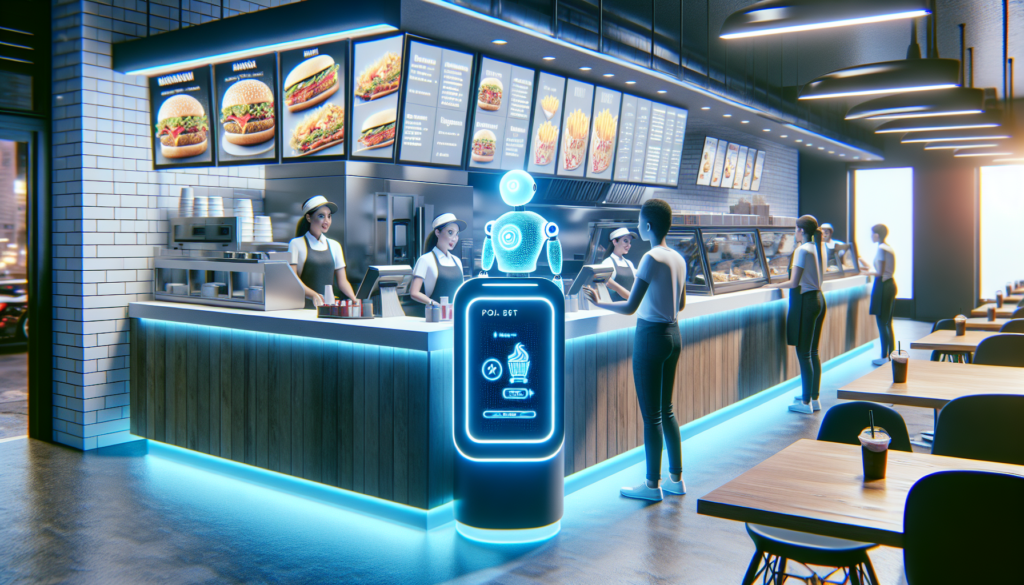
Burger King Will Use AI to Check if Employees Say Please and Thank You: A Look into Customer Service Innovation
In an era where technology is redefining our everyday experiences, fast-food giant Burger King is taking a bold step by integrating artificial intelligence (AI) into its customer service operations. The initiative focuses on ensuring employees maintain a courteous demeanor by checking if they say ‘please’ and ‘thank you’ during their interactions with customers. This innovative use of AI raises important questions about the future of customer service, employee training, and the role of technology in fostering human interactions.
The Rise of AI in Customer Service
Artificial intelligence has been making waves across various industries, and customer service is no exception. Companies are increasingly leveraging AI to enhance operational efficiency, personalize customer experiences, and streamline interactions. From chatbots to voice recognition systems, AI is becoming an indispensable tool for businesses aiming to improve service quality.
Understanding AI’s Role in Customer Interactions
AI systems can analyze vast amounts of data and recognize patterns in human behavior. In the context of customer service, AI can:
- Monitor employee interactions with customers
- Provide real-time feedback and training suggestions
- Identify trends in customer satisfaction
This data-driven approach allows companies to refine their strategies and ensure that employees are delivering the best possible service.
Burger King’s AI Initiative
Burger King’s decision to utilize AI for monitoring employee courtesy marks a significant shift in how the fast-food industry approaches customer service. The AI program will analyze conversations between employees and customers, ensuring that employees use basic pleasantries such as ‘please’ and ‘thank you.’
The Goals Behind the AI Program
The primary goals of this initiative are to:
- Enhance customer satisfaction
- Foster a culture of respect and politeness in the workplace
- Provide actionable insights into employee performance
By focusing on these areas, Burger King aims to create a more positive dining experience for customers while simultaneously empowering employees with the feedback they need to improve their service skills.
Implications for Employee Training
Integrating AI into employee training programs presents both opportunities and challenges. While technology can provide valuable insights, it also necessitates a shift in how training is approached.
Benefits of AI in Training
- Data-Driven Insights: The AI system can track employee performance over time, helping managers identify areas for improvement.
- Personalized Training: By analyzing individual employee interactions, the AI can suggest tailored training modules to address specific weaknesses.
- Continuous Feedback: Employees can receive ongoing feedback, enabling them to adapt and improve their customer service skills in real-time.
Challenges of Implementing AI for Training
- Employee Resistance: Some employees may feel uncomfortable being monitored, which could lead to resistance against the new system.
- Data Privacy Concerns: Ensuring that employee data is handled responsibly will be crucial to maintaining trust.
- Over-Reliance on Technology: While AI can provide valuable insights, it should not replace human judgment in customer service situations.
The Future of Customer Service in Fast Food
Burger King’s innovative AI initiative may set a new standard for customer service in the fast-food industry. As more companies explore the potential of AI, we can expect several trends to emerge:
- Increased Automation: More tasks may become automated, allowing employees to focus on providing personalized service.
- Enhanced Customer Experience: AI can help tailor the dining experience to individual preferences, ultimately fostering customer loyalty.
- Focus on Soft Skills: As technology takes over routine tasks, the emphasis on soft skills such as communication and empathy will become increasingly important.
Conclusion
As Burger King embarks on its journey to integrate AI into employee interactions, the fast-food industry stands on the brink of transformation. While the initiative aims to improve customer service through basic courtesy, it also opens the door to broader conversations about the role of technology in human interactions. By embracing innovation while keeping the human element intact, Burger King may very well lead the charge in redefining how we think about customer service in the fast-food landscape.
FAQs
1. What is Burger King’s AI initiative all about?
Burger King’s AI initiative focuses on monitoring employee interactions to ensure they use courtesy phrases like ‘please’ and ‘thank you’ to enhance customer service.
2. How will the AI monitor employee interactions?
The AI system will analyze conversations between employees and customers, providing insights into employee performance and areas for improvement.
3. What are the benefits of using AI for employee training?
AI can provide data-driven insights, personalize training for individual employees, and offer continuous feedback to enhance customer service skills.
4. What challenges might Burger King face with this AI initiative?
Challenges include potential employee resistance, data privacy concerns, and the risk of over-relying on technology at the expense of human judgment.
5. How could this initiative impact the fast-food industry?
This initiative may set a new standard for customer service, leading to increased automation, enhanced customer experiences, and a greater focus on soft skills in the industry.