
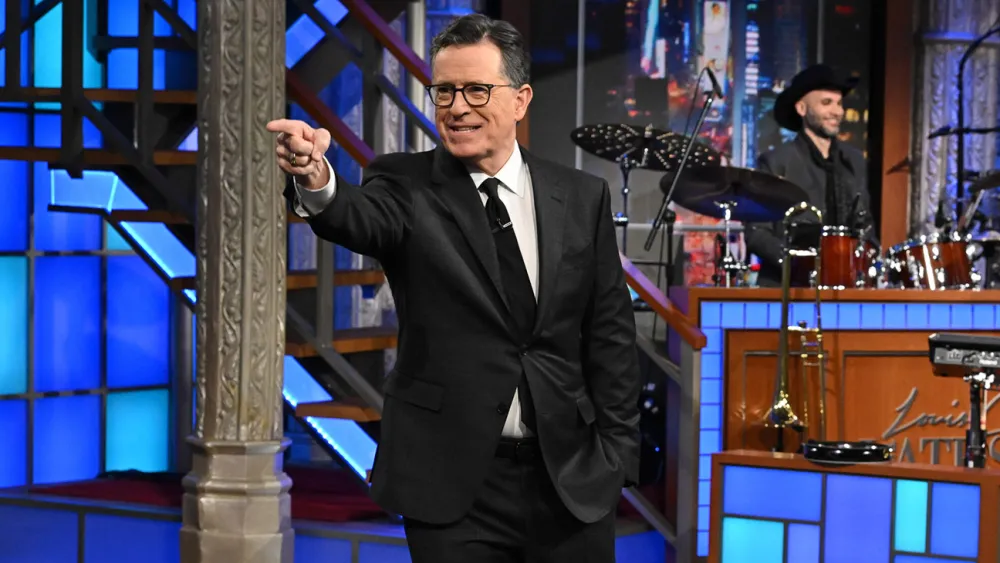

The FCC’s Attempt to Kill Stephen Colbert Interview Completely Backfires: A Deep Dive
In a surprising turn of events, the Federal Communications Commission (FCC) faced significant backlash over its attempt to stifle a recent interview with late-night host Stephen Colbert. This incident not only illuminates the complex relationship between government regulation and the media but also demonstrates how such attempts can backfire, leading to greater public interest and engagement. In this article, we will explore the details surrounding this event, its implications, and what it reveals about the state of free speech in America.
Background of the Controversy
The FCC, an organization that governs communication across the United States, has a history of regulating content deemed inappropriate or offensive. However, its recent intervention in a Stephen Colbert interview raised eyebrows and ignited debates over censorship and artistic freedom. To understand the roots of this controversy, we need to look at the context in which it occurred.
The Interview That Sparked Outrage
Colbert, known for his sharp wit and political commentary, hosted a guest who made controversial remarks that the FCC deemed inappropriate. When news spread that the FCC was attempting to censor or limit the broadcast of this segment, audiences reacted swiftly.
The Role of Social Media
In today’s digital age, social media plays a critical role in shaping public opinion. As news of the FCC’s actions broke, platforms like Twitter, Facebook, and Instagram became hotbeds for discussion. Users quickly mobilized, expressing their outrage and support for Colbert. This outpouring of sentiment highlighted how attempts to silence voices in the media can often lead to the opposite effect: a louder, more engaged audience.
The Backfire Effect: What Happened Next?
Rather than diminishing the impact of Colbert’s interview, the FCC’s actions sparked a wave of new interest. Here are some of the key ways in which this backfire effect manifested:
Increased Viewership
When the FCC attempted to censor the interview, many people who may not have been regular viewers of Colbert’s show flocked to watch the segment. This phenomenon is often referred to as the Streisand Effect, where attempts to hide or censor information only serve to draw more attention to it.
Public Discourse on Free Speech
The FCC’s actions provided a critical opportunity for discussing the boundaries of free speech. Many advocates for artistic freedom seized this moment to highlight the importance of allowing diverse voices in media. This discourse extended beyond Colbert’s show, touching upon broader themes of censorship, media regulation, and the role of comedy in political commentary.
Support from Fellow Comedians and Artists
Colbert’s fellow comedians and artists rallied around him, expressing solidarity against the FCC’s intervention. This support not only amplified the message of free speech but also fostered a sense of community within the entertainment industry. Many took to their platforms to share their thoughts, creating a unified front against censorship.
The Broader Implications of the FCC’s Actions
The FCC’s attempt to intervene in Colbert’s interview goes beyond just one incident; it raises crucial questions about media regulation and the future of comedy in America. Here are some implications worth considering:
Shaping Future Regulation
The public backlash against the FCC may lead to a reevaluation of the agency’s role in regulating content. As citizens demand more transparency and accountability, there may be increased pressure on the FCC to reconsider its policies and practices regarding media oversight.
Impact on Other Media Outlets
If the FCC’s actions are interpreted as an overreach, other media outlets may feel emboldened to push back against censorship attempts. This could lead to a more vibrant and diverse media landscape, where voices that challenge the status quo are celebrated rather than silenced.
Comedy as a Tool for Social Commentary
Colbert’s interview serves as a reminder of how comedy can be a powerful vehicle for social commentary. In a time when political discourse can often feel stifled, comedians have the unique ability to address pressing issues with humor, making complex topics more accessible to the public. This incident reinforces the importance of allowing comedians to speak freely without fear of reprisal.
FAQ Section
What was the FCC’s reason for attempting to censor the Stephen Colbert interview?
The FCC believed that certain remarks made during the interview were inappropriate for broadcast, citing potential violations of content regulations.
What is the Streisand Effect?
The Streisand Effect refers to the phenomenon where attempts to hide or censor information only serve to draw more attention to it, often resulting in greater public interest.
How did the public react to the FCC’s actions?
The public reacted strongly against the FCC’s intervention, using social media to express outrage and support for Stephen Colbert, ultimately increasing viewership of the interview.
What implications does this incident have for free speech?
This incident highlights the ongoing struggle for free speech in the media, prompting discussions about censorship, artistic freedom, and the role of government regulation.
How can comedians impact social discourse?
Comedians often use humor to address serious issues, making complex topics more relatable and engaging for the public, which can stimulate important conversations and promote social change.